I've been getting some really interesting comments on this "Value of Shock" series, so I'm going to scrap some of what I had for this last post and share some of them instead:

"I have never used shocking descriptive writing in a serious work because I do find that it can overpower what I'm trying to get across. I use plot and the storyline for creating shock rather than the way I am writing, I find it can be just as effective if done right." -Ruby Eclipse
"I think the difference between shock-scenes in books vs movies is that in a book we can take the shock as far as our imagination will let us. So while some paint a mental picture in pale red others go for the whole blood red dripping. In movies on the other hand the makers decide for the audience so that the shock value is often aimed at the higher end of the audience. This of course can be totally [off] if they judge the audience incorrectly and will be of overkill for those of the viewers that do not require that impact."-Katbaroo
"I have to say it honestly depends on what I'm working on. Sometimes it is relevant to character development. In others it's too draw attention to something particular. But I try to always make sure there is a purpose of some sort."-Endre Smouth
"It's all a matter of perspective. What one person views as gratuitous, another could view as mild. It is a balancing act to be sure. I feel it is important to keep in mind the big picture, while not catering to a highly conservative nor highly liberal point of view. If you seek to shock, then shock, but know your audience."-Anonymous
(If you are interested in reading more comments outside of blogger, you can find them here and here.)
So how shocking is too shocking? When does it leave reasons one through three and veer into four? Katbaroo and Anonymous already beat me to it. It depends on your audience. Honestly, I think there are some stories that have shock strictly for the sake of it, but outside of that, it depends on the audience. What is shocking to one person isn't necessarily shocking to another.
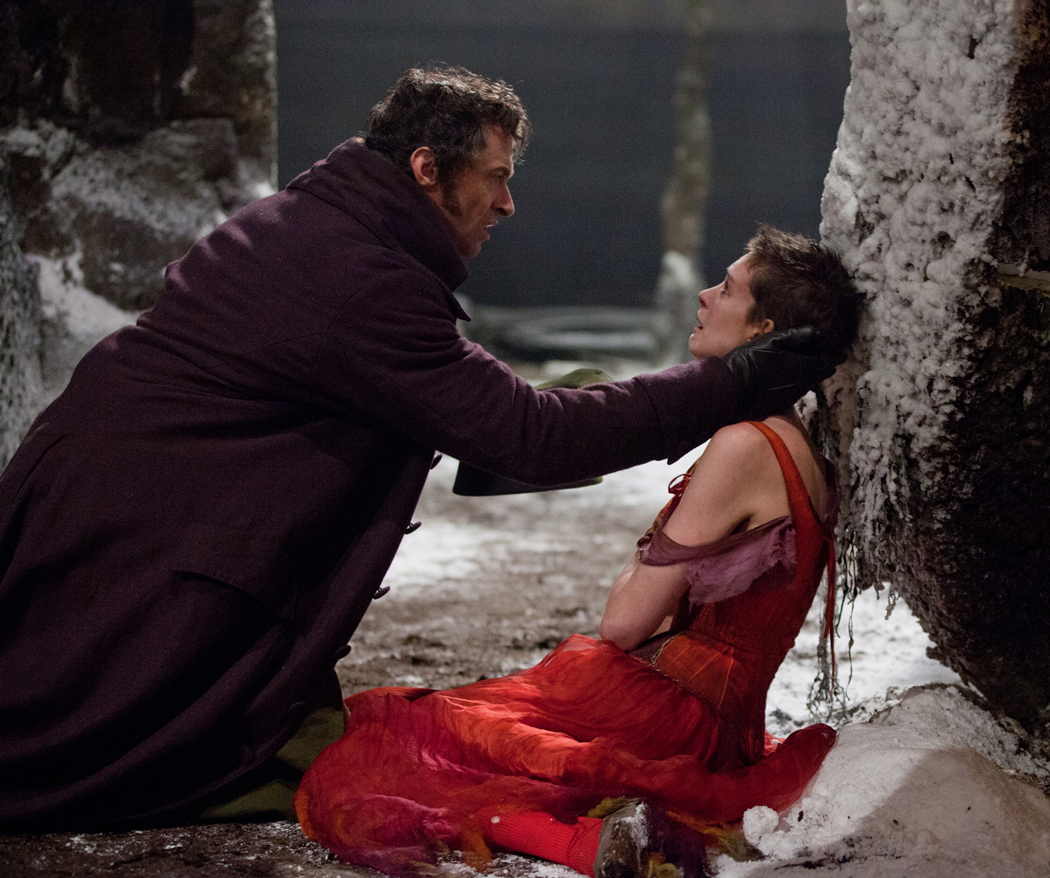
Last time I talked about the two scenes I found too shocking for me in Les Miserables. Anonymous didn't feel that they were too shocking, while Shane Halbach said his wife agreed, "on some level." People have different shock value ranges.
So what's one secret to keeping your shocking content under control?
Know your audience.

"I have never used shocking descriptive writing in a serious work because I do find that it can overpower what I'm trying to get across. I use plot and the storyline for creating shock rather than the way I am writing, I find it can be just as effective if done right." -Ruby Eclipse
"I think the difference between shock-scenes in books vs movies is that in a book we can take the shock as far as our imagination will let us. So while some paint a mental picture in pale red others go for the whole blood red dripping. In movies on the other hand the makers decide for the audience so that the shock value is often aimed at the higher end of the audience. This of course can be totally [off] if they judge the audience incorrectly and will be of overkill for those of the viewers that do not require that impact."-Katbaroo
"I have to say it honestly depends on what I'm working on. Sometimes it is relevant to character development. In others it's too draw attention to something particular. But I try to always make sure there is a purpose of some sort."-Endre Smouth
"It's all a matter of perspective. What one person views as gratuitous, another could view as mild. It is a balancing act to be sure. I feel it is important to keep in mind the big picture, while not catering to a highly conservative nor highly liberal point of view. If you seek to shock, then shock, but know your audience."-Anonymous
(If you are interested in reading more comments outside of blogger, you can find them here and here.)
The Audience
So how shocking is too shocking? When does it leave reasons one through three and veer into four? Katbaroo and Anonymous already beat me to it. It depends on your audience. Honestly, I think there are some stories that have shock strictly for the sake of it, but outside of that, it depends on the audience. What is shocking to one person isn't necessarily shocking to another.
Last time I talked about the two scenes I found too shocking for me in Les Miserables. Anonymous didn't feel that they were too shocking, while Shane Halbach said his wife agreed, "on some level." People have different shock value ranges.
So what's one secret to keeping your shocking content under control?
Know your audience.